
Restaurant Accounting Software
Restaurant margin is decided by food cost percentage and wastage, and both move weekly. DigitXBooks tracks ingredient purchases with supplier payables, batch and expiry handling for perishable stock, daily cash reconciliation across payment methods, and payroll for shift staff, so cost of sales is a number you manage rather than discover.
Food cost, wastage and daily cash control
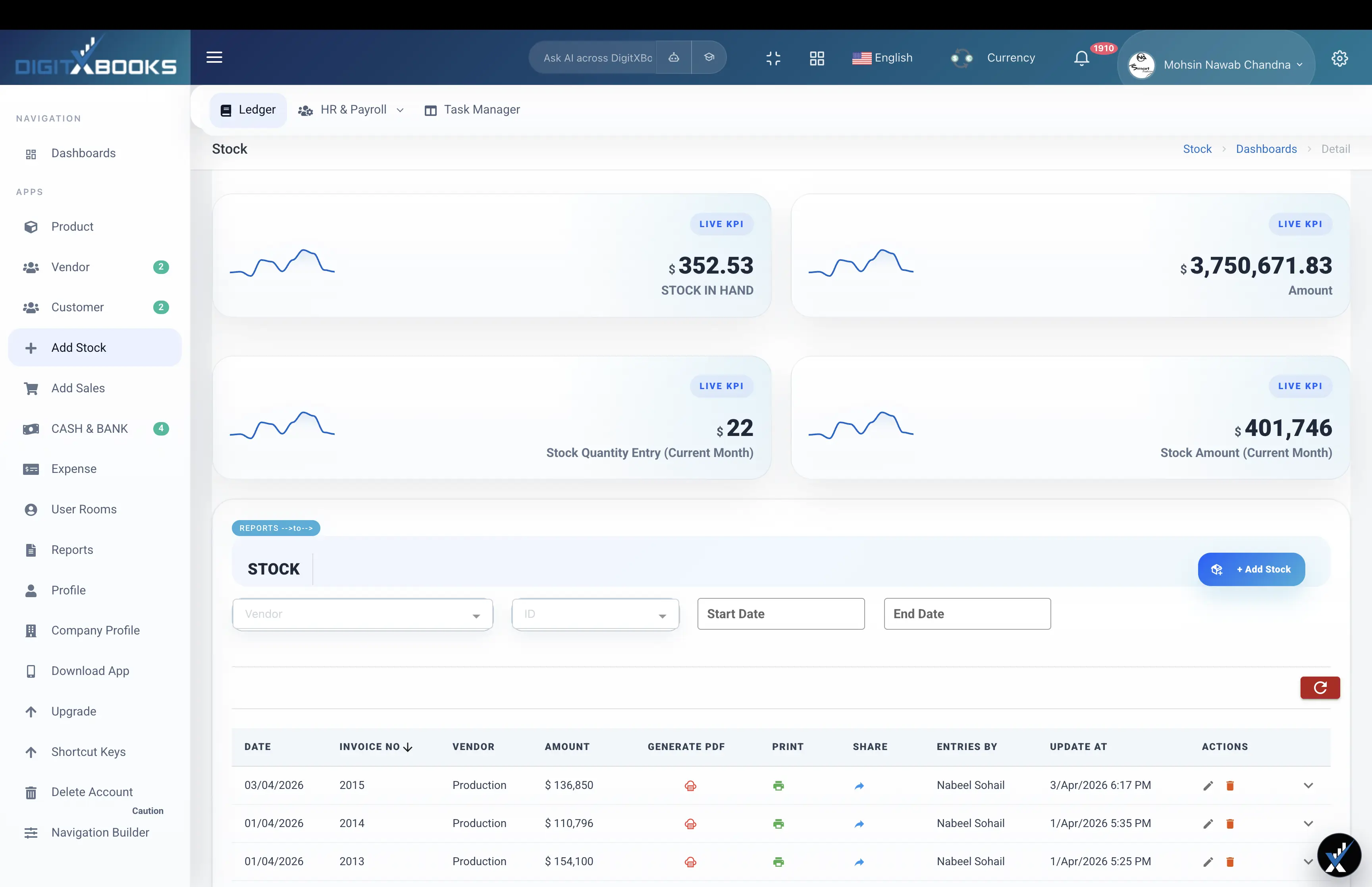
Food cost percentage only means something if ingredient purchases are recorded properly. Purchase invoices with line-level quantity and price, supplier payable balances and purchase-return tracking for rejected deliveries give you the real input cost as prices move week to week.
- Purchase invoices with ingredient quantity, unit and price
- Supplier payable balances and payment-out history
- Purchase returns for rejected or short deliveries
- Supplier purchase history for price comparison
Wastage and expiry
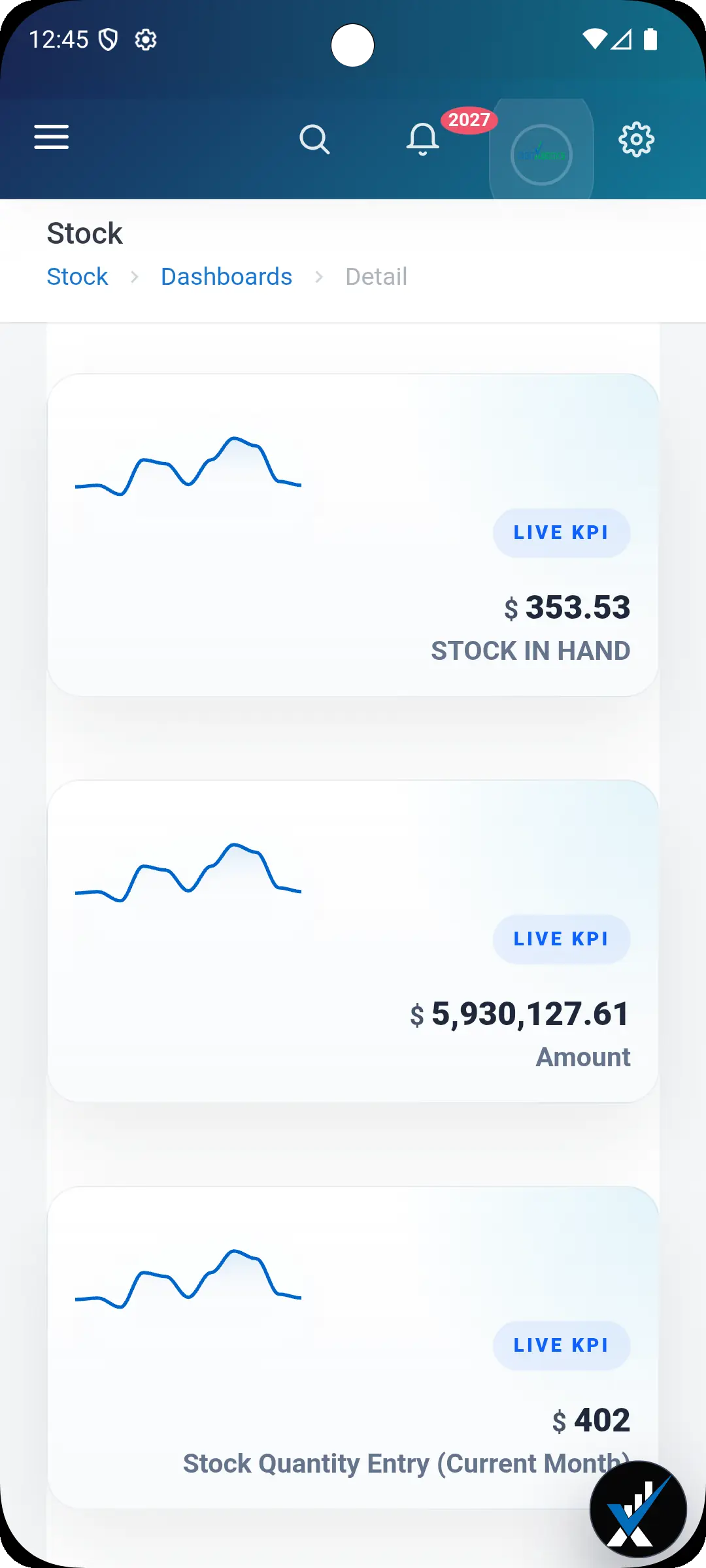
Perishable stock walks out as spoilage, over-portioning and staff meals, and none of it appears unless it is recorded. Batch handling with expiry dates plus product debit and credit adjustments turn wastage into a reportable number instead of an unexplained gap between purchases and sales.
- Batch handling with expiry tracking for perishables
- Product debit and credit adjustments for spoilage and staff meals
- Stock movement history for reconciling counts
- AI aging insights for stock approaching expiry
Daily cash and shift staff
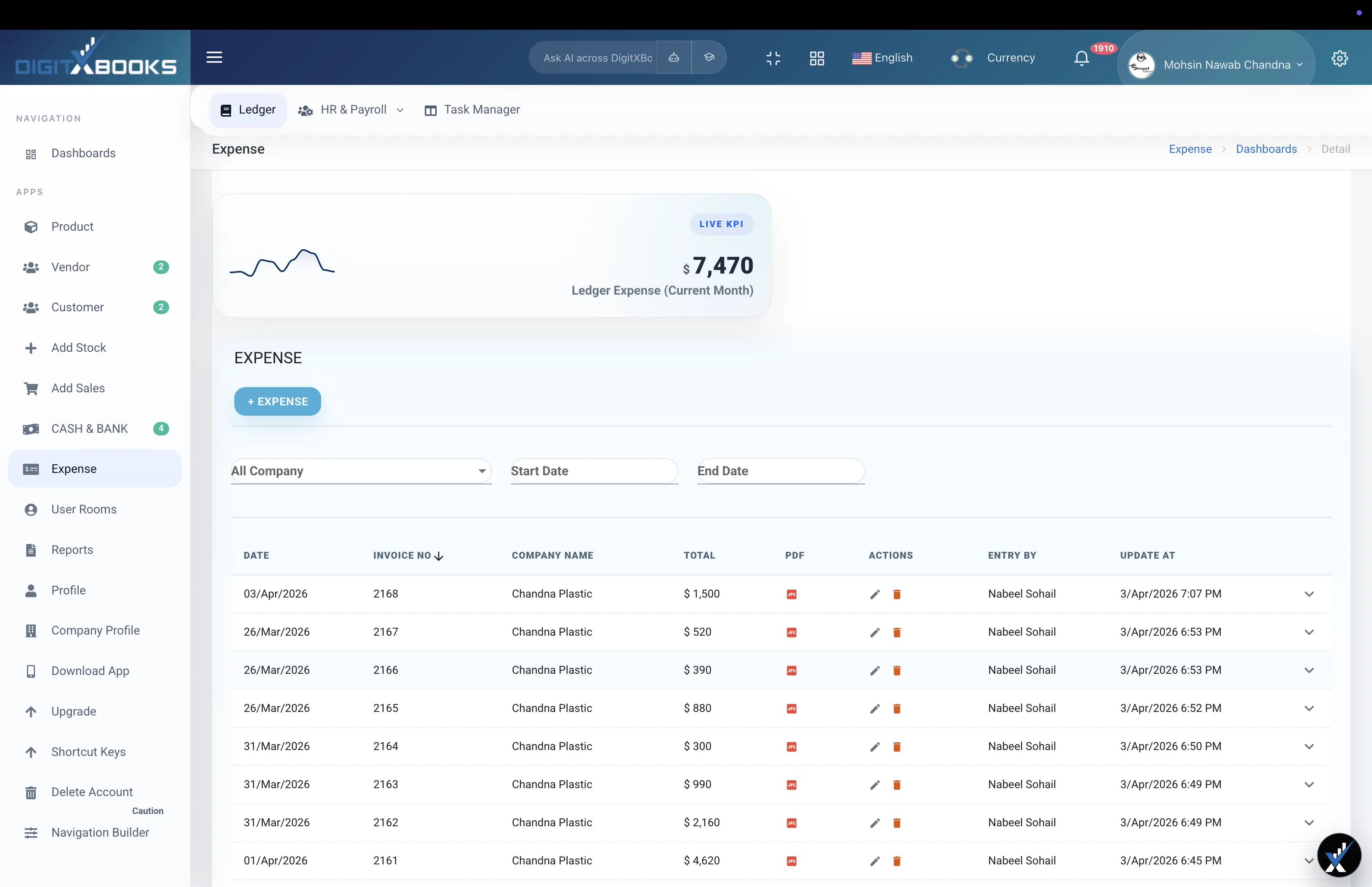
Food businesses take cash, cards and wallet payments across shifts, with high staff turnover. Separate cash, bank and mobile-wallet accounts with full transaction summaries make daily reconciliation per method possible, and payroll records handle the shift-staff churn.
- Separate cash, card and mobile-wallet account tracking
- Complete transaction summaries for end-of-day reconciliation
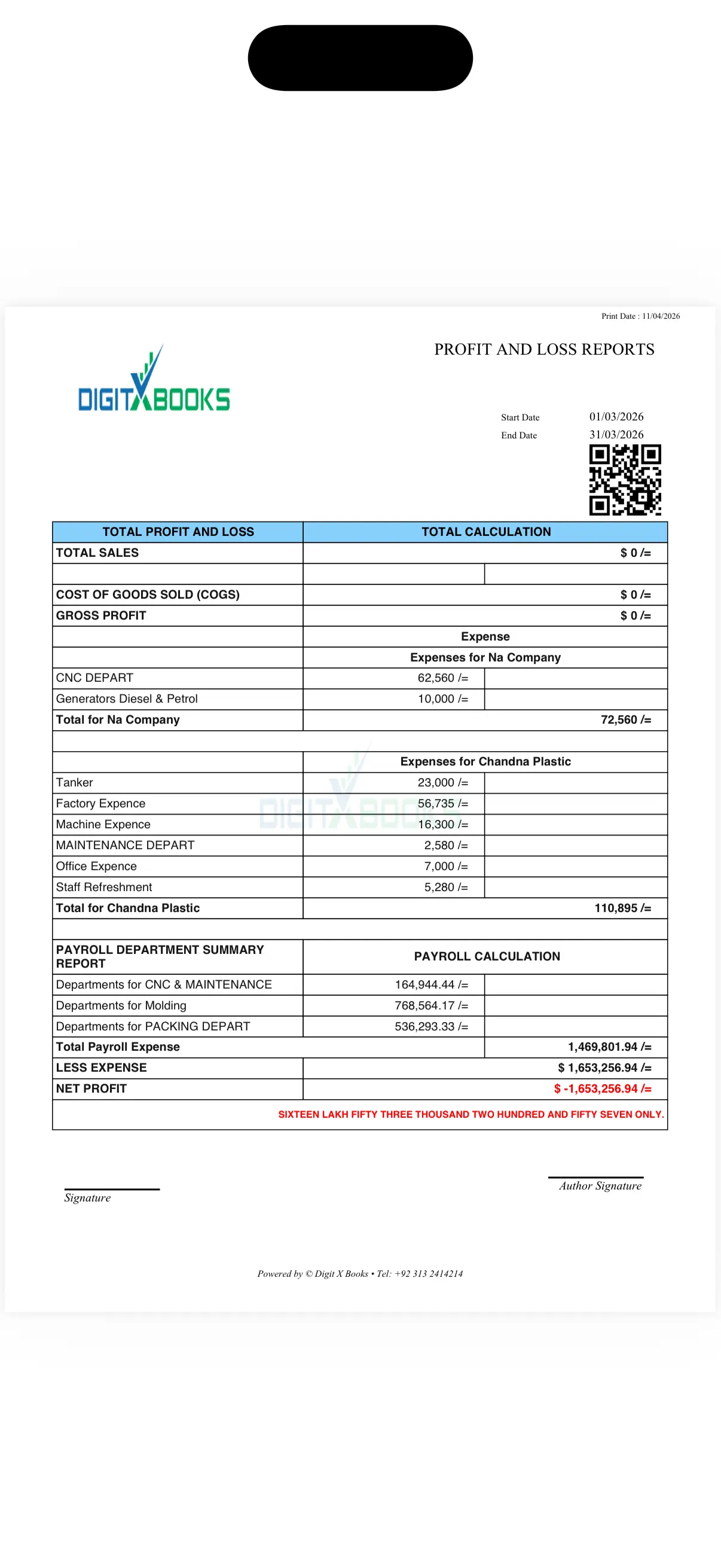
- Departments, employees and payroll runs for shift staff
- Role-based access so shift staff see only what they need
FAQs
Can DigitXBooks track food cost percentage?
It gives you the inputs: ingredient purchase costs with line-level detail, stock movement, wastage adjustments and sales revenue. Food cost percentage is then a straightforward calculation from recorded figures rather than an estimate.
Does it handle expiry dates on perishable stock?
Yes. Batch handling supports expiry tracking, and AI aging insights flag stock approaching its date so it can be used or discounted before it becomes wastage.
How is wastage recorded?
Through product debit and credit adjustments, which post against stock and create an auditable record. That turns spoilage, over-portioning and staff meals into a reportable number instead of an unexplained shortfall.
Can it reconcile cash, card and wallet payments separately?
Yes. Cash, bank and mobile-wallet accounts are tracked separately with complete transaction summaries, so each shift can be reconciled per payment method.